
Chart Your Course: From Compact Yachts to Hardy Expedition Vessels
Define the Mission, Match the Boat

Endurance and Range Realities
Crew Size, Roles, and Watchkeeping
Operational Envelope and Sea States
Monohull, Catamaran, or Expedition Hull
Monohulls handle heavy weather with forgiving motions and simpler loading. Catamarans gift cabins and speed but dislike overloads and can challenge in steep chop. Expedition hulls deliver thick plating, protected propellers, and workboat practicality at displacement speeds. Consider bridge clearance, payload, and righting behavior. Test motion on a rough day, not at anchor, and trust your inner stomach more than marketing promises.
Sail, Motor, or Hybrid Approaches
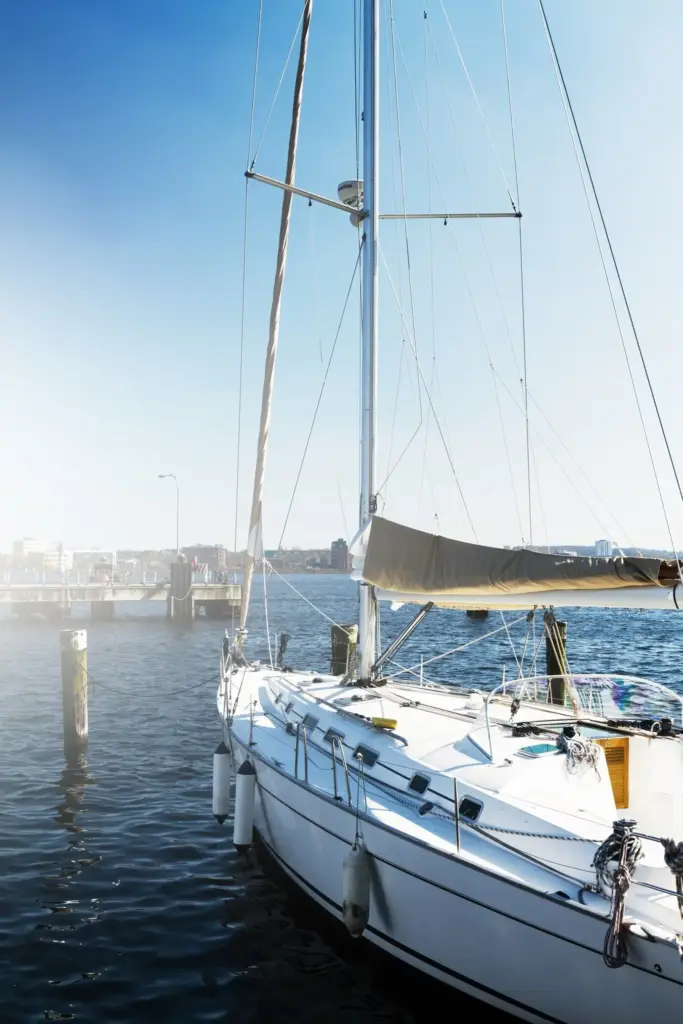
Sailboats cut fuel dependence and thrive with attentive trim, yet demand rig inspections and storm‑ready sail plans. Motor vessels promise predictable passages and easy pilotage but require meticulous fuel management and spares. Hybrid options blend regeneration, large alternators, and solar arrays. Pick based on likely wind patterns, maintenance appetite, and your ability to repair a torn luff or bleeding fuel line offshore.
Electric Power, Generators, and Energy Budgets
Long voyages live or die by amps. Audit refrigeration draw, autopilot loads, navigation gear, and desalination needs. Lithium banks shrink weight but need proper BMS and alternator protection. Solar, wind, and hydro assist during quiet days; a well‑sized generator covers doldrums. Build redundancy: two charge paths, spare regulators, and labeled wiring. Measure, don’t guess, and log daily consumption to anticipate failures early.

Safety, Redundancy, and Self‑Sufficiency

Comfort, Habitability, and Mental Resilience
New vs. Refit: What Money Really Buys

Operating Costs and Spares Logistics

Real‑World Comparisons and Buyer Checklists
Small Yacht Profiles: From Coastal Cruiser to Ocean Ready
Examine displacement, ballast ratio, sail plan balance, and stowage genuinely needed for four weeks offshore. A modest watermaker, windvane plus electric pilot, and protected companionway transform a coastal boat into a passagemaker. Review anchor gear, dodger strength, and cockpit drain size. Try cooking underway before you buy. Offer your favorite rugged under‑45‑foot models in the comments to guide first‑time crossers.
Expedition Ship Profiles: Steel Trawler to Ice‑Minded Workboat
Focus on hull plating thickness, protected running gear, heavy‑duty stabilizers, and cranes for tenders or science gear. Evaluate fuel polishing, get‑home propulsion, and fire‑suppression zones. Wheelhouse ergonomics during night watches matter more than teak. Ice belts, heated tanks, and easy‑to‑wash decks prove their worth in slush and grime. Share experiences of high‑latitude anchorages where steel earned its quiet, reassuring keep.
Sea Trial and Inspection Checklist You’ll Actually Use
Arrive with moisture meter, infrared thermometer, and a notepad of test sequences. Run the generator under real loads, hand‑steer in quartering seas, and cycle every seacock. Confirm fuel burn at several RPMs, and heave‑to to feel motion. Check bilge water for oil sheen, sniff for diesel, and read the rig like a story. Add your favorite gotchas below and help sharpen the list.