
Quiet Port Days, Designed Your Way

Today we focus on Designing Port Days: Private, Off‑Peak Excursions to Maintain a Quiet Experience, blending smart timing, discreet logistics, and local insight. Whether you sail often or plan your first journey, these ideas help you sidestep crowds, protect energy, and collect more mindful moments ashore.

Mapping Quiet Windows in Busy Ports

Crowds swell and thin predictably when ships dock, markets open, and coaches arrive. We decode those rhythms, using arrival manifests, ferry schedules, museum calendars, and neighborhood habits to reveal quieter intervals. Borrow these methods, adapt them to any harbor, and build confidence to claim stillness without missing meaningful highlights. Share your port timing discoveries in the comments so others can find their own breathing spaces.
Monitor port agent notices, AIS ship trackers, and tender queues to spot lulls between disembarkation waves. Cross-check with bus dispatch times and guided group meetups. A fifteen-minute offset can transform noisy avenues into breathable pathways, opening galleries and gardens in near-private comfort.
Wind, heat, and shoulder seasons scatter people in predictable ways. Colder mornings deter lines; sultry afternoons drive visitors indoors. Pair microclimate forecasts with ticketed entry windows, and you’ll glide into landmarks when queues evaporate, lingering longer where shade, acoustics, and airflow cradle quiet.
Watch the city’s cadence: bakery runs, school dismissals, siesta shutters, evening passeggiata. Step into museums during lunch, ride funiculars before office shifts end, and board waterbuses between commuter surges. Micro-shifts create calm corridors that feel curated, yet remain authentically local and wonderfully spontaneous.

Finding the Right Guide

Search beyond top review counts for clues about calm: mentions of flexibility, patience, and crowd-savvy detours. Message candidates with your quiet goals, accessibility needs, and timing windows. The best replies feel attentive, offer specific suggestions, and protect unscripted pauses as part of the experience.

Co-Designing a Tranquil Route

Share a few must-sees, then prioritize atmosphere over quantity. Invite alternatives: monastery cloisters instead of basilica peak hours, artisans’ workshops rather than central boutiques. Agree on safe signals for adjusting pace, and plan intentional silence when a view or small museum begs for lingering.

Setting Expectations and Signals

Clarify boundaries kindly: no souvenir gauntlets, minimal amplified commentary, pauses away from busking zones. Establish discreet signals for stepping aside, shortening stops, or adding detours. When preferences are explicit, guides can better protect tranquility without sacrificing spontaneity, storytelling, or respect for local rhythms.

Seamless Transport, Tickets, and Timing Buffers

Quiet depends on invisible scaffolding. Arrange pickups on side streets, prepay tickets with timed entries, and add buffers that absorb surprises without stress. Thoughtful sequencing keeps you ahead of lines, reduces chatter-filled waits, and ensures graceful returns well before all-aboard announces urgency. Subscribe to receive a printable checklist that keeps buffers and confirmations simple on the go.

Low-Noise Transfers and Discreet Pickup Points

Choose electric taxis, watercraft with quieter engines, or small vans that slip through alleys. Request pickups near parks or secondary gates to avoid coach clusters. A calm departure sets tone and preserves energy, especially before sunrise museum access or hillside viewpoints at breakfast light.

Prebook Entries and Quiet Access

Secure timed tickets directly from venues when possible, then choose the earliest or latest slots. Ask about curator-led openings, conservation hours, or resident passes that unlock side doors. Document confirmations offline to avoid signal blackouts, and carry IDs to breeze through checks confidently.

Buffering, Backups, and Curfew Awareness

Pad transitions generously and keep a lightweight fallback: a nearby garden, chapel, or café with quiet corners. Monitor port advisories, local strikes, and road closures. Know last tender times, and aim to return early, turning potential anxiety into sunset ease on deck.

Culture, Cuisine, and Calm

Alternative Venues and Hidden Courtyards

Skip the main cloister at noon for a tiny chapel with preserved frescoes and a caretaker eager to share. Seek community theaters, municipal archives, or botanical schools. These spaces welcome curiosity, stretch time gently, and offer authenticity without the crush of headline attractions.

Mindful Dining at Off-Peak Tables

Book late lunches after tour waves pass, or early dinners when kitchens hum with fresh focus. Ask for interior corners, garden terraces, or chef’s counters with softer acoustics. Linger with seasonal plates, engage servers about producers, and leave space for the neighborhood’s cadence to return.

Respectful Presence and Photography

Quiet is courtesy. Learn local norms, seek permissions, and avoid flash in sacred or intimate spaces. Move slowly, observe first, then frame thoughtfully. Your restraint protects others’ experiences and deepens your own, turning snapshots into meaningful records rather than interruptions or staged trophies.

Pacing, Hydration, and Sensory Breaks
Build breathing room between highlights and identify refuges in advance: shade trees, libraries, waterside benches. Sip steadily, snack intentionally, and rotate seats when acoustics rise. Short resets reclaim presence and make the next stop richer, kinder, and more memorable than a hurried checklist.

Staying Safe When Streets Feel Empty

Low crowds can feel peaceful and isolating. Stick to lit corridors, share live location with your shipmate, and avoid closed alleys. Verify taxi licenses, agree fares before boarding, and trust instinct. Preparedness keeps serenity intact and turns vigilance into background confidence.

Sustainable Habits that Protect Serenity

Support small operators who cap group sizes, use electric transport, and schedule outside peak pulses. Carry out waste, refill bottles, and buy from artisans directly. When travelers reward low-impact choices, destinations respond with welcoming, quieter options that endure beyond one peaceful afternoon.

A Sample Off-Peak Day Blueprint

Use this flexible outline to translate intention into hours that breathe. Swap locations freely, but keep the cadence: early anchor, late-lunch lull, and gentle return. Record what worked, then tell us your refinements so the next reader benefits from your quiet discoveries too.

Dawn to Mid-Morning: Gentlest Openings

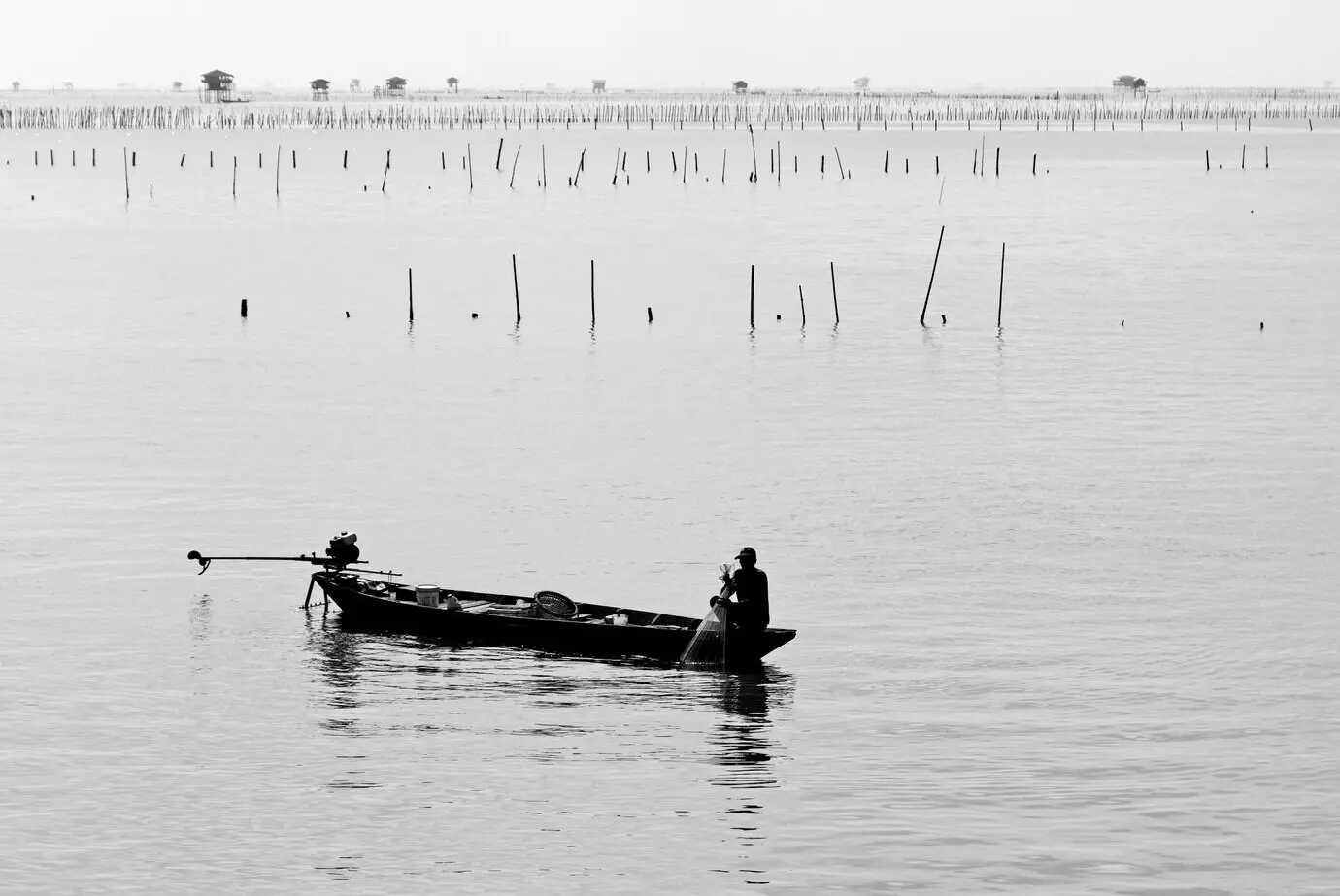
Disembark before breakfast rush, watch fishermen set out, and walk to a viewpoint as shutters rise. Coffee at a family café, then first-entry museum tickets. Leave as tour groups gather, slipping to a botanical garden where birdsong outnumbers voices and time loosens its grip.

Late Morning to Afternoon: Layered Discovery

Meet a guide for a neighborhood walk that favors courtyards and studios. Taste fruit at a tiny market, ride a tram between stops, and settle into lunch after the rush. Spend siesta wandering cool cloisters, then pause for journaling beside fountains framed by trees.

Golden Hour to Evening: Unrushed Returns
Climb to a breezy overlook as the city exhales. Photograph rooftops gently, then follow back streets to a quiet pier. Early dinner near the water, unhurried stroll to the tender, and an on-time return that feels like a promise kept to yourself.
Tolizazufenoko
Privacy Overview

This website uses cookies so that we can provide you with the best user experience possible. Cookie information is stored in your browser and performs functions such as recognising you when you return to our website and helping our team to understand which sections of the website you find most interesting and useful.