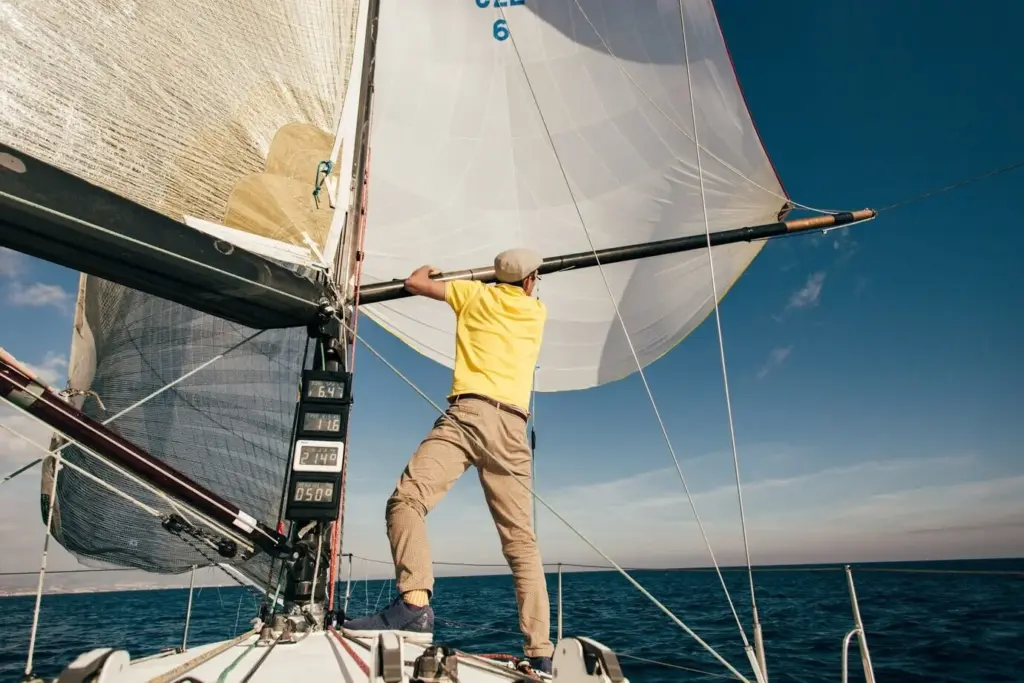
Sail Far, Spend Smart

Today we dive into budgeting strategies and repositioning routes for long‑duration voyages, turning complex planning into clear, seaworthy actions. Expect practical cost frameworks, seasonal windows that save miles and money, and stories that reveal how small decisions offshore ripple into big financial outcomes.

Mapping Costs Before Departure

Before casting off, translate dreams into numbers that withstand calms, squalls, and customs windows. A rigorous plan tallies fixed and variable expenses, aligns them with realistic passage timelines, and exposes tradeoffs early enough to adjust equipment choices, route cadence, and morale expectations.

Seasonal Windows and Strategic Repositioning

Following Winds and Currents to Cut Costs

Historical pilot charts reveal consistent pushes from ocean highways. Plan legs that ride these free conveyors, then schedule layovers where favorable eddies align with provisioning deals. The result is less motoring, fewer slamming days, and healthier reserves for unplanned detours or upgrades.

Using Shoulder Seasons to Reduce Fees

Arriving just before peak crowds means easier berths, calmer officials, and surprising promotions. Conversely, depart just after high season to backfill repositioning berths, share fuel trucks, and leverage marina competition. Shoulder windows also deliver kinder weather, preserving sails, gear, and tired crew routines.

Choosing Canal or Cape With Clear Tradeoffs

Rounding capes trades fees for weather risk and wear; canal transits compress miles but demand paperwork, pilots, and timing deposits. Model both paths with conservative contingencies, then choose the option that protects crew stamina, hull condition, and the voyage’s overall cash runway.

Ports, Fees, and Bureaucracy Without Drama

Paperwork rarely inspires, yet it can quietly sink plans and budgets. Navigating entry rules, fees, and required agents with preparation prevents expensive surprises. Think ahead about cabotage, health declarations, pet rules, and payment methods to cross borders smoothly and affordably.

Risk Management and Contingency Funds

Crossing oceans invites uncertainty. Keeping reserves of time, money, and critical spares turns chaos into inconvenience. Build layered defenses—training, procedures, backups—so a failed alternator or cracked fitting becomes a solvable puzzle rather than a budget-destroying emergency or schedule collapse.

Crew Dynamics and the Economics of Time

Selecting Crew and Defining Contributions

Agree on food preferences, duty rosters, and contribution amounts before lines are slipped. Written agreements remove awkwardness later, especially when weather delays stretch calendars. Clarity fosters trust, enabling problem-solving onboard instead of price haggling in stressful, sleep-starved moments offshore.
Onboard Routines That Save Money

Shared checklists and tidy lockers prevent duplicate purchases and frantic searches. Rotate roles—navigator, cook, mechanic—to build competence and appreciation. Celebrate small wins: sunrise coffee, clean filters, perfect sail trim. These rituals cost little and repay massively in efficiency and perseverance.

Remote Work and Connectivity Budgeting

Satellite plans, SIM swaps, and shore Wi‑Fi decisions shape budgets and job possibilities. Audit true data needs, schedule async work, and cache charts offline. When bandwidth is precious, disciplined habits keep projects moving without burning through reserves or fraying tempers.

Atlantic Crossing: East to West

Las Palmas to Martinique via a tradewind lane showcased fuel savings from patient routing and a clean hull. Departing after a mild front, motoring hours fell by half, leaving room to replace a chafed halyard without touching emergency cash or goodwill.

Pacific Puddle Jump Strategy

Mexico to Marquesas demanded provisioning discipline and a conservative sail plan. A delayed ITCZ crossing required extra days of water management and morale leadership. Because spares were pre-staged, a balky watermaker became a routine repair instead of a budget-collapsing diversion.

High-Latitude Repositioning Lessons

Norway’s ragged coast taught patience with weather and paperwork. By timing jumps between lows, fuel stayed unused while free public docks provided shore power. The saved funds covered storm repairs later, proving that restraint can be the most profitable decision aboard.

Tools, Data, and Ongoing Optimization

Plans breathe. Treat your voyage like a product that improves through sprints: gather data, review outcomes, tweak routes, and rebalance spending. The tools are simple, but discipline matters; small monitoring habits prevent big shocks and keep the cruise sustainably joyful.
Tolizazufenoko
Privacy Overview

This website uses cookies so that we can provide you with the best user experience possible. Cookie information is stored in your browser and performs functions such as recognising you when you return to our website and helping our team to understand which sections of the website you find most interesting and useful.